What to Wear to See the Last Supper and the Duomo in Milan

Travel Analysts
📄What to wear to see the Last Supper and the Duomo in Milan: dress code rules, what’s allowed, what to avoid, and tips to avoid being refused entry.

💡Quick Answer
Wear modest, comfortable clothing that covers shoulders and knees for both the Duomo and the Last Supper, for men, women and kids. Avoid sleeveless tops, short shorts, mini‑skirts, see‑through fabrics and beachwear, and choose light, breathable layers plus a thin scarf or cardigan so you can easily “dress up” for church entrances even on hot Milan days.
Explore the full guide & expert tips ➜Do you really need a dress code for the Last Supper and the Duomo in Milan?
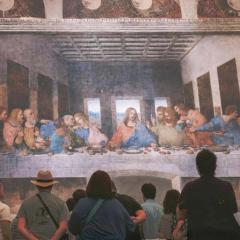
Yes — you do. Both the Last Supper and the Duomo are connected to active religious spaces in Milan, and visitors are expected to dress in a modest, respectful way, even when entering with a ticket or a guided tour. While the rules are enforced more strictly at the Duomo, the safest approach is to choose an outfit that works for both sites on the same day.
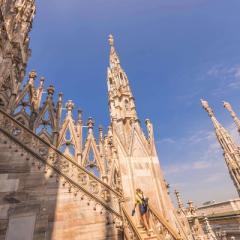
At the Duomo, the dress code is explicit: shoulders and knees must be covered for men, women, and older children. Clothing that is very short, transparent, or beach-style can result in being refused entry. For the Last Supper, the rules are not always written clearly on the ticket, but staff and tour operators generally apply the same standards and may warn or turn away visitors who are too underdressed. This is why many Milan guides and tour descriptions mention “appropriate clothing” or “church-appropriate dress” for both visits.
Wearing the right clothes is not about being formal or fashionable — it’s about avoiding problems at the door. A simple outfit, such as a short-sleeved T-shirt and light long trousers, works well for men, women, and children and is accepted at both the Duomo and Santa Maria delle Grazie. In summer, if you prefer lighter clothing, carrying a thin scarf or light layer to cover bare shoulders or short skirts is usually enough to respect the rules without feeling uncomfortable in the heat.

Milan Duomo dress code at a glance (men, women and kids)
Yes, the Duomo in Milan has a clear dress code for everyone. Inside the cathedral, shoulders and knees must be covered for men, women, and children. Sleeveless tops, very low-cut shirts, mini-skirts, short shorts, see-through fabrics, and beachwear can lead to being refused entry.
For men, a short-sleeved T-shirt or light shirt with trousers or knee-length pants works perfectly. Women should opt for dresses or skirts that cover the knees and tops with sleeves, or long trousers with a modest blouse. Children follow the same rules, although staff are usually more flexible with very young kids if their clothing is respectful.
In summer, light and breathable fabrics are enough. Bringing a thin scarf, shawl, or extra T-shirt to cover shoulders or short outfits before entering is a simple and very common solution.
Last Supper and Duomo Dress Code Comparison
What men should wear to visit the Duomo and the Last Supper
Men do not need to dress formally, but they should avoid beachwear or gym-style clothing and make sure shoulders and knees are covered at both sites. The safest option is a short-sleeved T-shirt or a light cotton shirt paired with long trousers or chinos, along with closed shoes or smart sandals rather than flip-flops.
In summer, breathable fabrics like cotton or linen are ideal. Very tight sports tops or sleeveless shirts can be considered inappropriate inside the Duomo. While shorts are perfectly fine for walking around Milan, if they sit above the knee you should change into long trousers or bring a lightweight pair with you before visiting the Duomo or the Last Supper.
What women should wear to visit the Duomo and the Last Supper
Women should choose modest, comfortable outfits that cover shoulders and knees, which works well for visiting both the Duomo and the Last Supper on the same day. Good options include midi or long dresses with sleeves, or a blouse or short-sleeved T-shirt paired with trousers, jeans, or a skirt that falls below the knee.
It’s best to avoid strapless, backless, or very low-cut tops, as well as mini-skirts, short shorts, or very tight or see-through clothing, as these can lead to being refused entry at the cathedral. In summer, light fabrics such as cotton or linen are ideal. Bringing a thin cardigan or scarf makes it easy to cover bare shoulders or a shorter outfit when entering the church, without feeling uncomfortable while walking around Milan.
What kids should wear: practical outfits for boys and girls
Kids can follow the same simple rule as adults: shoulders and knees covered, no beachwear, and nothing extremely short or see-through. An easy, safe option is a short-sleeved T-shirt paired with lightweight long trousers, leggings, or a skirt that falls below the knee, which works well for both the Duomo and the Last Supper.
For younger children, staff are usually more flexible, but it’s still best to avoid sleeveless tops, football jerseys without sleeves, or very short sports shorts. Comfortable closed shoes or sturdy sandals are recommended, as you will likely walk a lot around Milan and move through crowds or steps when visiting both sites on the same day.
What you cannot wear: outfits that may get you turned away
Some outfits regularly cause problems at the entrance of the Duomo and, to a lesser extent, at the Last Supper. These include sleeveless tops, very short shorts, mini-skirts, see-through clothing, and beachwear. Crop tops that expose a lot of midriff, extremely tight sportswear, ripped jeans with large holes above the knee, and T-shirts with offensive slogans may also be considered inappropriate.
For both men and women, tank tops, muscle shirts, strapless dresses, and tops with very thin straps are among the most common “no-go” items for entering the cathedral. Flip-flops, swimming shorts, and bikini tops are strongly discouraged and can easily lead to being stopped by staff, especially during high season when checks are often stricter.
Seasonal outfit ideas (summer, shoulder seasons and winter in Milan)
In summer, the focus is on light fabrics that still cover shoulders and knees. Breathable T-shirts or blouses with sleeves, linen or cotton trousers, and midi dresses work well, along with a thin scarf or shawl to adjust quickly when entering churches. Sandals with a back strap or lightweight sneakers are comfortable for walking and still appropriate.
In spring and autumn, layering is ideal: a short-sleeved top or shirt, a light sweater or cardigan, and a removable jacket, paired with jeans or trousers that fall below the knee. In winter, warm coats, sweaters, and long trousers are the best choice. Keep in mind that churches often feel colder inside, so closed shoes, socks, and an extra layer help you stay comfortable during your visit.

Dress code for guided tours that combine the Last Supper and the Duomo
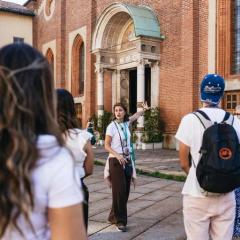
When you book a guided tour that includes both the Last Supper and the Duomo, the dress code is the same as visiting independently: shoulders and knees must be covered for men, women, and older children, with no beachwear, very short shorts, or mini-skirts. Many tour operators clearly mention “church-appropriate clothing required” in the voucher or confirmation email, as access to the cathedral can be denied if someone in the group is underdressed.
Even if the meeting point is outdoors and the guide does not check outfits in detail, security at the Duomo or staff at Santa Maria delle Grazie can still stop visitors at the entrance, potentially affecting the entire group’s schedule. To avoid issues, it’s best to choose one outfit that works for both sites: a top with sleeves, trousers or a skirt below the knee, comfortable shoes, and a light scarf or extra layer if needed.
Practical tips: bags, photos, and behavior inside both sites
Small backpacks, handbags, and daypacks are usually allowed, but large bags or bulky items may be refused, especially at the Duomo. Bringing only what you need for the day makes security checks and queues much easier. Large luggage is best left at your hotel, a locker, or the train station.
Inside both sites, visitors are expected to speak quietly, avoid eating or drinking, and follow staff instructions at all times. Photos are generally allowed without flash, but selfie sticks, tripods, and strong lights are often prohibited. Simple handheld photos are fine — the focus is on respecting the space and enjoying the experience.
About the Author
Intercoper Curator Team
Travel Analysts
The editorial team at Intercoper researches, verifies, and curates the best tour experiences in Milan and across Europe's most visited landmarks and museums.
❓ Frequently Asked Questions
Our recommended Last Supper Tours


The Last Supper Has the Highest Markup in European Tourism: 10.7xHow to Buy Official Last Supper Tickets (Step-by-Step Guide)Last Supper Milan Tickets: Prices, Types and Discounts ExplainedLast Supper Milan Tickets Sold Out: What To Do NextIs the Last Supper Worth It? Honest Pros, Cons and Alternatives in MilanBest Guided Tours in Milan: Last Supper and Duomo in One DayCommon Mistakes to Avoid When Booking Last Supper Tickets and ToursHow to Visit the Last Supper in Milan in One Day: Itineraries from the Duomo and Central StationLeonardo da Vinci in Milan: Complete Guide to All SitesAccessible Last Supper Tour: Wheelchair Access and Low-Mobility TipsHow Leonardo Painted the Last Supper: Technique, Secrets and RestorationLast Supper and Lake Como Day Trip: Is It Possible?Small Group vs Private Last Supper Tours: Which Is Best?What to Wear to See the Last Supper and the Duomo in Milan