Is the Last Supper Worth It? Honest Pros, Cons and Alternatives in Milan

Travel Analysts
📄Is the Last Supper worth visiting? Honest pros, cons, and what to expect from your 15 minutes with Leonardo's masterpiece in Milan.

💡Quick Answer
The Last Supper is absolutely worth it for most visitors. Those 15 intimate minutes with Leonardo's masterpiece in the original refectory create a uniquely moving experience you won't find anywhere else. The key is booking early and setting the right expectations — it's about atmosphere and history, not visual spectacle.
Explore the full guide & expert tips ➜Is The Last Supper in Milan Really Worth It?
Whether The Last Supper is “worth it” depends a lot on your expectations and travel style. Many visitors describe it as one of the most emotional moments of their time in Italy: a small group, a silent refectory, and 15 tightly controlled minutes in front of a huge, fragile mural you’ve probably seen in books your whole life. The atmosphere is solemn and intimate rather than crowded and chaotic, which makes the encounter feel more like a once‑in‑a‑lifetime audience with a masterpiece than a typical museum stop.
At the same time, the experience is very short, the painting is heavily restored and more faded than most people expect, and getting tickets often requires advance planning or paying a premium for a tour. If you care deeply about art, history or faith, those 15 minutes can easily justify the effort and cost; if you mainly want “wow” views, lots of variety and spontaneous travel, you may find your time and budget better spent on other Milan highlights like the Duomo, its rooftop and the surrounding neighborhoods.
Honest Pros of Visiting The Last Supper
One of the biggest advantages of visiting The Last Supper is how intimate the experience feels compared to other world‑famous attractions. You enter the refectory in a small group, usually under 30 people, and spend around 15 minutes in a quiet, climate‑controlled room with no crowds pushing or shouting, which is rare for such a renowned artwork. The setting inside Santa Maria delle Grazie adds to the atmosphere: it still feels like a sacred, historical space rather than a commercial “attraction”.
There is also real emotional and cultural weight in finally seeing a painting you’ve known your whole life in person. Many visitors report that those short minutes are surprisingly moving once their eyes adjust to the scale, composition and details Leonardo built into the mural. If you book a good guided visit, the context you get about the technique, damage, restoration and symbolism can turn what might have been a quick look into one of the most memorable art experiences of your trip.
Honest Cons of Visiting The Last Supper
The main downside for many travelers is how short and rigid the visit feels. You only get about 15 minutes inside the refectory, and entry is strictly controlled by timed slots, so there is no option to linger if you feel captivated or want to study details more closely. On top of that, the mural is much more faded than most people expect because of Leonardo’s experimental technique and centuries of damage and restoration, so first‑time visitors sometimes walk out saying it looked “washed out” compared to reproductions.
The logistics can also be frustrating. Official tickets are limited and often sell out weeks or months in advance, which pushes many people toward expensive tours or third‑party resellers. Reviews frequently mention feeling annoyed by the booking process, by the perception that tour companies or hotels hoard tickets, and by the fact that a large part of the total cost goes to overcoming scarcity rather than to the actual 15‑minute viewing.

When The Last Supper Is Absolutely Worth It
The Last Supper is almost always worth it if you deeply care about art history, Leonardo da Vinci or Renaissance Italy. Standing in the original refectory where Leonardo painted the scene, seeing its true scale, and understanding how revolutionary his composition and use of perspective were can be incredibly powerful if you’ve studied or admired his work for years. It is also a strong “must” if this is a once‑in‑a‑lifetime trip to Italy and you like seeking out iconic masterpieces with a strong emotional or spiritual dimension.
It’s also worth the effort if you are a planner who doesn’t mind locking in dates and times ahead of your trip. Travelers who book early, choose a time of day that fits their itinerary, and maybe combine the visit with a quality walking tour often describe the whole experience as smooth, meaningful and good value overall. In these cases, the combination of scarcity, intimacy and cultural significance makes those 15 minutes feel like something genuinely special rather than just another ticketed attraction.
When The Last Supper Is Not Worth It (For You)
The Last Supper may not be worth it if you are not particularly interested in art, churches or history and mainly want lively, high‑impact sights. If your favorite travel moments are rooftop views, street life, shopping and food, you may find a short, quiet viewing of a faded mural less satisfying than spending that same time and money exploring Milan’s Duomo, rooftop terraces, Navigli or Brera. In reviews and forums, travelers who regret going often say they booked it only because it is “famous”, not because they personally cared about the work.
It’s also less worthwhile if you hate rigid scheduling or last‑minute changes stress you out. Tickets are in high demand, time slots are fixed, and you need to arrive on time or risk losing your place, which can complicate flexible or short stays in the city. If you are visiting Milan just for a day or two and booking is already complicated or very expensive for your dates, you might be happier focusing on easier‑to‑access highlights rather than bending your whole itinerary around a 15‑minute viewing.
Is The Last Supper Overpriced or Fair Value?
The base price of an official Last Supper ticket is actually quite reasonable compared to many major European attractions, especially when you consider the strict preservation measures and limited visitor numbers. The problem is that these official tickets are scarce, so many travelers end up buying bundled tours that can cost several times more than the face value, which understandably makes the experience feel overpriced.
Whether it feels like fair value depends on what you pay and what you get in return. If you manage to book a standard ticket or a modestly priced small‑group tour that adds real context and includes other useful stops, most visitors report feeling satisfied with the cost relative to the uniqueness of the experience. If, on the other hand, you pay a high premium just to secure a last‑minute slot or buy through a reseller without added value, it is much easier to walk out thinking the price was out of proportion to 15 minutes in front of a single painting.
Is The Last Supper Overrated? What Travelers Really Say
Opinions on whether The Last Supper is overrated are sharply divided, which is exactly why setting expectations matters so much. Many reviews call it unforgettable, highlighting the quiet room, the knowledge that you are looking at a fragile survivor of war and time, and the thrill of seeing Leonardo’s composition in person instead of in a textbook. These visitors almost always say it fully lived up to its reputation, especially when they had time to learn about its history beforehand or had a guide explain the details.
On the other hand, a noticeable number of travelers describe it as “underwhelming”, “too quick” or “not worth the hype”, often citing the faded colors, the short viewing window and the stress of getting tickets. People who go in expecting something visually spectacular on the level of the Sistine Chapel ceiling or a large museum typically feel the most disappointed. In reality, it is a subtle, context‑heavy experience: the more you value that context, the less overrated it will feel.
Best Alternatives in Milan If You Skip The Last Supper
If you decide The Last Supper is not for you, Milan still offers excellent alternatives that deliver strong art and atmosphere without the same booking stress. San Maurizio al Monastero Maggiore, often called the “Sistine Chapel of Milan”, is filled with vivid Renaissance frescoes and is regularly praised as one of the city’s top hidden gems, often with far fewer crowds. The Duomo and its rooftop terraces also provide an iconic, high‑impact experience, with dramatic Gothic architecture, panoramic views and flexible visiting hours.
You can also look for other “Last Supper”–style frescoes and religious artworks in Milan’s churches and museums, some of which are included in alternative themed tours that focus on cenacoli and Renaissance painting without the tight fifteen‑minute window. Beyond religious art, the Pinacoteca di Brera and Castello Sforzesco offer deep collections of Italian masters and historic spaces where you can take your time and explore at your own pace. For many travelers, one or two of these stops.
Final Verdict: Is the Last Supper in Milan Worth It?
The Last Supper is worth visiting if you care about art, history, and context more than spectacle. For travelers who value intimacy and meaning, the short, carefully controlled visit can feel powerful and genuinely memorable — especially with the right expectations.
If you prefer flexibility, visual impact, and spontaneous sightseeing, or if the logistics and cost feel out of proportion, skipping the Last Supper is a reasonable choice. Milan offers excellent alternatives that deliver strong art and atmosphere without the same planning stress.
About the Author
Intercoper Curator Team
Travel Analysts
The editorial team at Intercoper researches, verifies, and curates the best tour experiences in Milan and across Europe's most visited landmarks and museums.
❓ Frequently Asked Questions
Our recommended Last Supper Tours


The Last Supper Has the Highest Markup in European Tourism: 10.7xHow to Buy Official Last Supper Tickets (Step-by-Step Guide)Last Supper Milan Tickets: Prices, Types and Discounts ExplainedLast Supper Milan Tickets Sold Out: What To Do NextIs the Last Supper Worth It? Honest Pros, Cons and Alternatives in MilanBest Guided Tours in Milan: Last Supper and Duomo in One DayCommon Mistakes to Avoid When Booking Last Supper Tickets and ToursHow to Visit the Last Supper in Milan in One Day: Itineraries from the Duomo and Central StationLeonardo da Vinci in Milan: Complete Guide to All SitesAccessible Last Supper Tour: Wheelchair Access and Low-Mobility TipsHow Leonardo Painted the Last Supper: Technique, Secrets and RestorationLast Supper and Lake Como Day Trip: Is It Possible?Small Group vs Private Last Supper Tours: Which Is Best?What to Wear to See the Last Supper and the Duomo in Milan
Tours for this guide
Prices updated this week
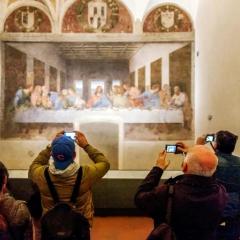 Da Vinci Last Supper Small Group Skip Line$66
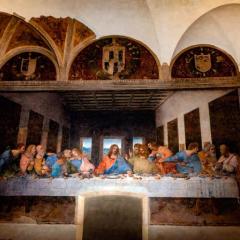 Leonardo Last Supper Art History Expert Milan$100
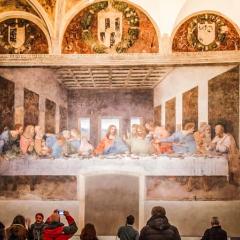 Last Supper Walking Tour Milan Expert Guide$117